The Best Pruning Shears (Secateurs) for Roses, Shrubs and Everyday Gardening
The best pruning shears for every budget, bypass vs anvil vs ratchet explained, the right pair for your hands, and how to clean and sharpen them.
We earn a commission if you buy through links on this page, at no extra cost to you. Learn more.
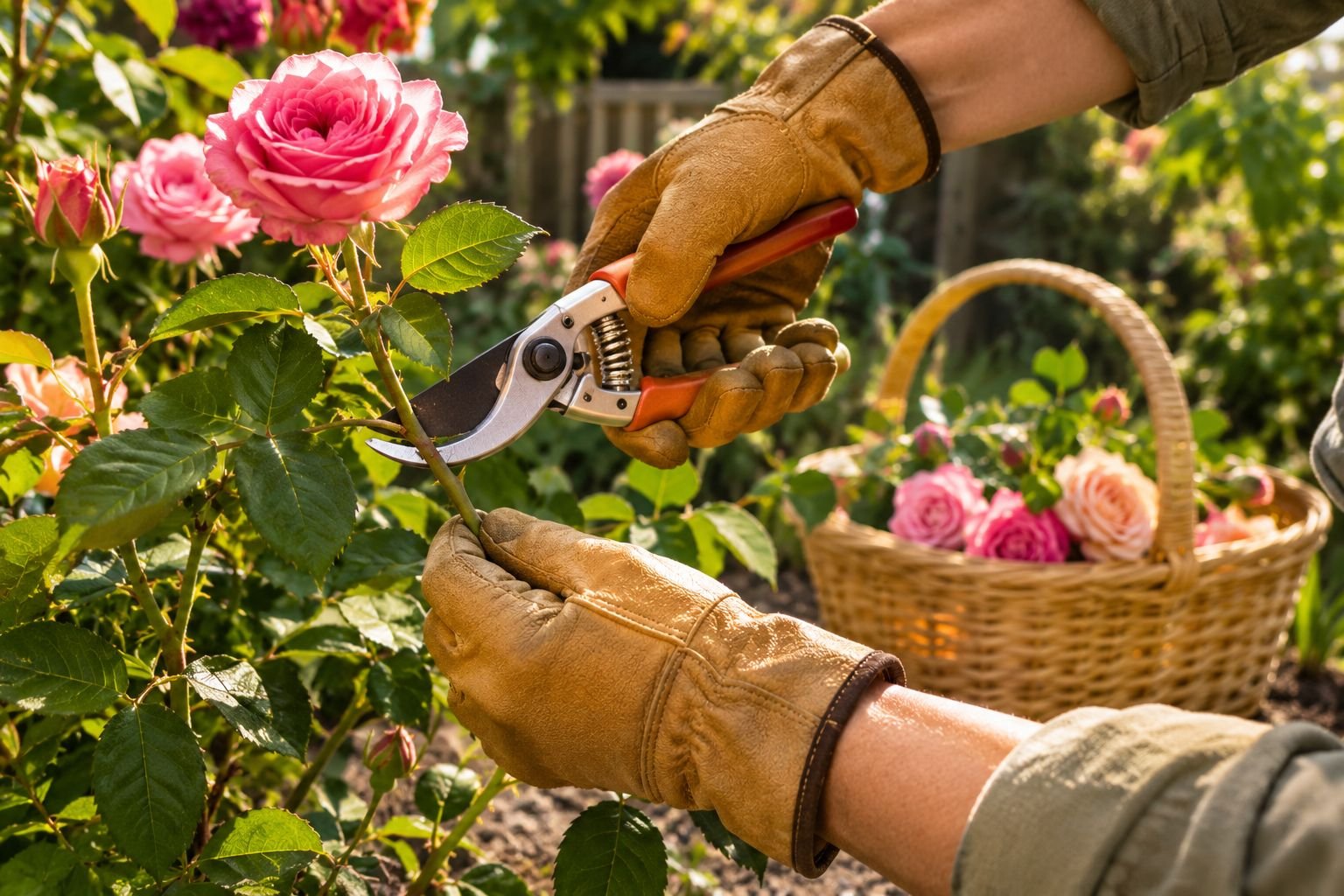
The short answer
For most gardeners, the Corona ClassicCUT forged bypass pruner is the best pruning shears: it cuts cleanly up to 2 cm (3/4"), has a replaceable blade and costs about a third of a Felco. On a budget, Fiskars SoftGrip bypass pruners are light and fine for flowers, herbs and soft stems. If you want one pair for life, the Swiss-made Felco F-2 has replaceable parts and cuts up to 2.5 cm (1"). With weak or sore hands, a ratchet pruner cuts thick wood in several small squeezes. For live plants, choose bypass blades, not anvil.
- Bypass pruners make the cleanest cuts on live plants. Anvil pruners suit dead, dry wood.
- Match the pruner to your hand size. Too big a grip tires your hand fast.
- Never force a cut. Branches thicker than your pruner's rating need loppers or a saw.
- Clean blades between plants when pruning diseased growth, and dry and oil them after use.
- A sharp blade matters more than the brand. Sharpen a few times a season.
A good pair of pruning shears is the garden tool you’ll use most: deadheading roses, shaping shrubs, harvesting herbs and tidying up after storms. A cheap, blunt pair tears and crushes stems, which leaves ragged wounds and tired hands. A good pair cuts cleanly in one easy squeeze.
This guide picks the best pruning shears at every price, explains bypass vs anvil vs ratchet, and shows you how to keep them sharp and clean.
All picks were checked on Amazon US and Amazon Australia, where they’re usually called secateurs.
Our picks at a glance
| Feature | Best budgetFiskars SoftGrip Bypass Pruning Shears (5/8") | Best overallCorona ClassicCUT Forged Bypass Pruner (BP 3180) | Best premiumFELCO F-2 Classic Pruning Shears |
|---|---|---|---|
| Best for | Light pruning, deadheading, herbs and flowers on a budget | Everyday pruning of roses, shrubs and small branches | Keen gardeners who want one pair of secateurs for life |
| Price band | Budget | Mid-range | Premium |
| Type | Bypass | Bypass | Bypass |
| Max cut | 5/8 in (about 1.5 cm) | 3/4 in (about 2 cm) | 1 in (about 2.5 cm) |
| Replaceable parts | No | Yes (blade, spring) | Yes (all) |
| Where to buy | Check price | Check price | Check price |
Best overall: Corona ClassicCUT forged bypass pruner
The Corona ClassicCUT is the sweet spot for home gardeners. Its body is forged steel rather than stamped metal, so it doesn’t flex on harder cuts, and the blade and spring can both be replaced when they wear out. It cuts cleanly through stems up to 2 cm (3/4”), which covers roses, shrubs, perennials and small branches. With more than 6,000 ratings at 4.7 stars in both stores, it’s one of the most trusted pruners on Amazon.
The trade-offs: it’s heavier than budget pruners, and the grips are large for small hands.
Best budget: Fiskars SoftGrip bypass pruning shears
If you mainly deadhead flowers, trim herbs and cut soft stems, you don’t need to spend much. The Fiskars SoftGrip is light, comfortable and has a coated blade that resists sticky sap. It’s rated for stems up to about 1.5 cm (5/8”).
The trade-offs: the blade can’t be replaced, and it isn’t built for thick or woody branches. Treat it as a light-duty pair or a spare.
Best premium: Felco F-2
The Felco F-2 is the classic professional secateur. It’s Swiss-made with a hardened blade that holds its edge, it cuts up to 2.5 cm (1”), and every single part, from blade to spring to bolt, can be replaced. Looked after, a Felco can outlast its owner. It has more than 14,000 ratings at 4.8 stars in each store.
The trade-offs: it’s expensive, and the F-2 suits medium to large hands. With smaller hands, look at the Felco F-6 instead.
Best for weaker grip: Gerossi ratchet pruner
A ratchet pruner cuts in two or three small squeezes instead of one hard one. Each squeeze clicks the blade further through the branch, so you need much less hand strength. It’s a great option for gardeners with arthritis or weaker hands, and for cutting thick, dry wood.
The trade-offs: it’s an anvil-style blade, so it can crush soft live stems. Use it for woody and dead growth, and a bypass pruner for delicate cuts.
Bypass vs anvil vs ratchet: which do you need?
| Type | How it cuts | Best for | Avoid for |
|---|---|---|---|
| Bypass | Scissor action: a sharp blade slides past a hook | Live stems, roses, shrubs, fruit trees | Thick dead wood |
| Anvil | A blade presses down onto a flat anvil | Dead, dry, hard wood | Soft live stems (it crushes them) |
| Ratchet | Anvil blade that cuts in stages | Weak hands, thick dead wood | Fine, delicate cuts |
| Micro-tip / snips | Small, narrow scissor blades | Herbs, tomatoes, houseplants, deadheading | Anything woody |
Extension experts agree that bypass pruners are the one to buy first. Iowa State University Extension says bypass hand pruners are generally preferred because sharp ones make close, clean cuts, while anvil pruners are good for dead branches and less likely to jam.
How to choose pruning shears
- Blade type: bypass for live plants. Add an anvil or ratchet pruner only if you cut a lot of dead wood.
- Cut capacity: most hand pruners handle 1.5–2.5 cm (5/8”–1”). For anything thicker, use loppers or a pruning saw rather than forcing it.
- Hand size: your hand should close the handles comfortably without stretching. Many brands make smaller versions.
- Replaceable parts: a replaceable blade and spring turn a pruner into a long-term tool.
- Steel: forged or hardened steel holds an edge longer than cheap stamped blades.
- Left-handed? Felco and a few other brands make true left-handed models.
Which pruning shears for which plant?
| Plant | Best tool | Tip |
|---|---|---|
| Roses | Bypass pruner | Cut 5 mm above an outward-facing bud, at a slight angle |
| Hydrangeas | Bypass pruner | Check whether yours flowers on old or new wood before cutting |
| Tomatoes and peppers | Micro-tip snips | Clean blades often; these plants spread viruses easily |
| Fruit trees | Bypass pruner and loppers | Use loppers or a saw for branches over 2.5 cm |
| Lavender and herbs | Small bypass or snips | Don’t cut into old, bare wood on lavender |
| Dead wood | Anvil or ratchet pruner | Wear gloves; dry wood can splinter |
How to clean, sharpen and look after pruning shears
- Wipe them after every use. Sap and dirt make blades sticky and rusty.
- Disinfect when plants are diseased. The University of Maryland Extension advises cleaning tools between cuts with 70% alcohol or a 1:9 bleach solution, and rinsing off bleach because it corrodes metal.
- Sharpen little and often. Use a small diamond file or whetstone on the bevelled edge only, following the original angle. Keep the flat back of the blade flat.
- Oil the pivot and spring with a drop of light oil after cleaning.
- Store them dry, closed and off the ground, ideally in a holster or on a hook.
- Replace worn parts. On good pruners, a new blade or spring costs far less than a new pair.
Safety tips
- Wear gloves, especially on roses and dry wood.
- Keep your other hand well clear of the blade.
- Use the safety lock when you’re not cutting, and keep pruners away from children.
- Cut with the hook below the branch and the sharp blade closest to the part of the plant you’re keeping.
Working in the garden? See our guides to the best garden hose, the best wood for raised garden beds and the best compost bins.
Common questions
What are the best pruning shears for most people?
A forged bypass pruner with a replaceable blade, like the Corona ClassicCUT, suits most home gardeners. It cuts cleanly up to 2 cm (3/4"), lasts for years and costs far less than premium brands.
What's the difference between bypass and anvil pruning shears?
Bypass pruners work like scissors, with a sharp blade sliding past a hook, giving a clean cut on live stems. Anvil pruners press a blade down onto a flat surface, which is stronger on dead, dry wood but can crush soft live stems.
Are Felco pruners worth the money?
If you garden a lot, yes. Felco blades are very sharp, every part can be replaced, and a pair can last decades. For occasional pruning, a cheaper forged bypass pruner does the same job.
What pruning shears are best for roses?
Sharp bypass pruners with a narrow blade, so you can reach between canes and cut just above a bud. For old, thick rose canes over 2 cm, use loppers or a pruning saw instead.
What pruning shears are best for arthritis or weak hands?
Ratchet pruners cut in several small squeezes, so they need much less grip strength. Smaller, lighter bypass pruners with soft grips and a rotating handle also help. Keep any pruner sharp, as dull blades need more force.
How do I clean and disinfect pruning shears?
Wipe off sap and dirt after use. When cutting diseased plants, wipe or dip the blades in 70% rubbing alcohol between cuts. Bleach works too but corrodes metal, so rinse and dry the blades afterwards, then add a drop of oil.
How often should I sharpen pruning shears?
Touch up the blade with a small diamond file or whetstone every few weeks in busy pruning seasons, or whenever cuts start to tear or crush. Sharpen only the bevelled side of a bypass blade.
What's the difference between secateurs and pruning shears?
Nothing. "Secateurs" is the common name in Australia and the UK, and "pruning shears" or "hand pruners" is the US name for the same one-handed cutting tool.
Sources
Keep reading
The Best Compost Bins: Tumblers, Backyard Bins and Kitchen Caddies
The best compost bins for every yard, tumbler vs open bin explained, what you can and can't compost, and how to keep compost fast, sweet-smelling and rat-free.
The Best Garden Hose: Kink-Free, Lightweight and Built-to-Last Picks
The best garden hoses, from a light hybrid to rubber that lasts for years, plus how to choose size, length and material and stop kinks and leaks.

The Best Solar Landscape Lights: Path Lights, Spotlights and String Lights That Actually Stay Bright
The best solar lights for paths, gardens and patios, how bright they need to be, why they dim in winter, and how to make them last longer.