The Best Food Storage Containers: Glass vs Plastic, Leak-Proof and Meal-Prep Picks
The best food storage containers for leftovers, lunches and meal prep, glass vs plastic, which are leak-proof and microwave safe, and how long food keeps.
We earn a commission if you buy through links on this page, at no extra cost to you. Learn more.
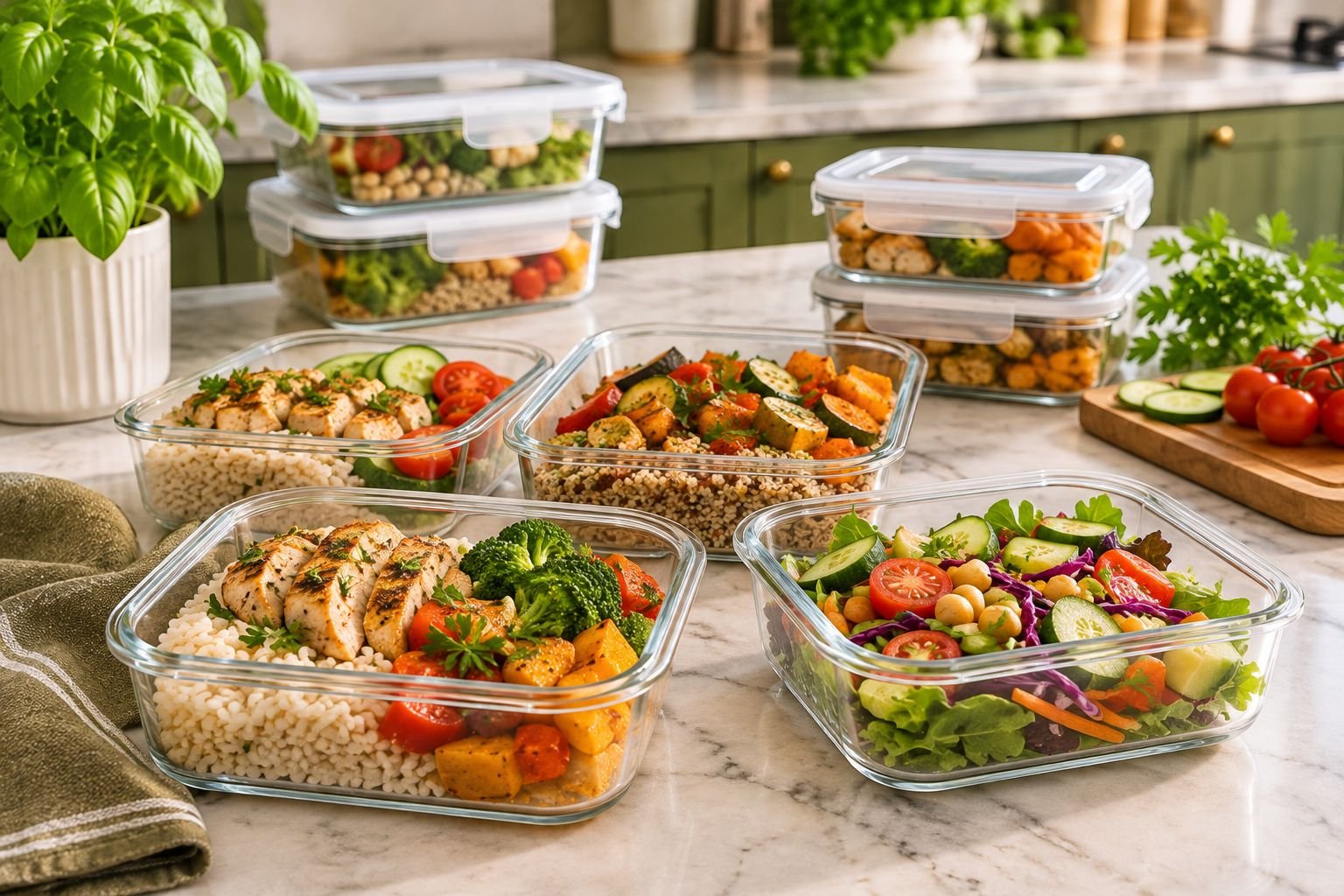
The short answer
For most kitchens, the Rubbermaid Brilliance set is the best food storage container set: clear, stain-resistant and genuinely leak-proof, with lids that vent for microwaving. If you'd rather avoid plastic for reheating, Pyrex Simply Store glass containers go from fridge to microwave to oven (without the lid), never stain, and are great value. For dry goods in the pantry, OXO POP containers are the best airtight choice. Most people do best with a mix: glass for leftovers you reheat, light leak-proof plastic for lunches and soups on the go.
- Glass is best for reheating and never stains or holds smells; plastic is lighter and better for lunches and travel.
- Leak-proof means latching lids with a seal. Push-on lids are only spill-resistant.
- Microwave food without the lid, or with the vent open, and never microwave plastic that isn't labelled microwave safe.
- Square and rectangular containers stack and use fridge space better than round ones.
- Most cooked leftovers keep 3–4 days in the fridge.
Good food storage containers save money, cut waste and make meal prep easy. Bad ones crack, stain orange from pasta sauce, leak in your bag and leave you with a cupboard full of lids that don’t match anything.
This guide picks the best containers for leftovers, lunches, meal prep and the pantry. It also explains the questions people ask most: glass vs plastic, what “leak-proof” really means, and how long food keeps.
All picks are sold on Amazon US and Amazon Australia.
Our picks at a glance
| Feature | Best overallRubbermaid Brilliance Food Storage Containers (14-piece) | Best glassPyrex Simply Store Glass Food Storage Set (9 containers) | Best containersOXO Good Grips POP 5-Piece Airtight Container Set |
|---|---|---|---|
| Best for | Leak-proof everyday storage, lunches and leftovers | Reheating, baking and storing in the same dish, without plastic | A good-looking, airtight set for flour, sugar, pasta, cereal and snacks |
| Price band | Mid-range | Budget | Premium |
| Material | BPA-free Tritan plastic | Glass + plastic lids | BPA-free plastic |
| Leak-proof | Yes | No (spill-resistant) | — |
| Microwave | Base yes (vents open) | — | — |
| Freezer | Yes | Yes | — |
| Oven | — | Glass only | — |
| Pieces | — | — | 5 containers |
| Seal | — | — | Push-button airtight |
| Where to buy | Check price | Check price | Check price |
Best overall: Rubbermaid Brilliance
Rubbermaid Brilliance is one of the most popular container sets on Amazon, with more than 100,000 ratings across the US and Australia. The clear Tritan plastic looks almost like glass, resists staining and smells, and the latching lids are genuinely leak-proof, so soup can go in your work bag. The lids have built-in vents for splatter-free microwave reheating, and the containers stack neatly in the fridge.
The trade-offs: it’s still plastic, and the lids last longer if you hand-wash them or use the top rack only.
Best glass: Pyrex Simply Store
If you reheat most of your leftovers, glass is worth it. Pyrex glass doesn’t stain, warp or hold onto smells. You can bake a dish, store it and reheat it in the same container (without the lid). This set gives you a useful mix of sizes at a great price and is rated 4.4–4.7 stars by more than 60,000 owners.
The trade-offs: the push-on lids are spill-resistant, not leak-proof. Glass is also heavier, and the lids aren’t oven safe.
Best for the pantry: OXO POP
For flour, rice, pasta, cereal and snacks, airtight dry-goods containers keep food fresh and bugs out. OXO POP containers seal with one push of a button and stack neatly. See how we use them in our pantry organization guide.
Glass vs plastic: which should you buy?
| Glass | Plastic (Tritan / BPA-free) | |
|---|---|---|
| Reheating | Excellent (base is microwave and oven safe) | Microwave safe if labelled, with the vent open |
| Stains and smells | Never | Good plastics resist them; cheap ones stain |
| Weight | Heavy | Light |
| Breakage | Can break or chip | Doesn’t shatter |
| Lunches and travel | Bulky | Ideal |
| Freezer | Yes (leave headspace) | Yes |
| Lifespan | Many years | A few years; replace when scratched or warped |
Our advice: use glass for leftovers you’ll reheat at home and leak-proof plastic for lunches, soups on the go and kids.
What to look for
- Lid type. Latching lids with a silicone seal are leak-proof. Push-on lids are only spill-resistant.
- Shape. Square and rectangular containers stack and use fridge space better than round ones.
- Nesting. Sets that nest inside each other save cupboard space.
- Microwave, freezer and dishwasher ratings. Check the base and the lid separately.
- Material. Look for glass, or plastic labelled food-safe and BPA-free.
- Size mix. Small for sauces and snacks, medium for single meals, large for family leftovers.
Food safety basics for leftovers
- Cool food quickly. Get it into the fridge within about two hours of cooking. Split big batches into shallow containers so they cool faster.
- Keep the fridge cold, at 5 °C (40 °F) or below.
- Eat most cooked leftovers within 3–4 days, or freeze them.
- Reheat until steaming hot all the way through.
- Label and date containers in the freezer.
How to make containers last
- Avoid microwaving plastic lids unless they’re labelled microwave safe.
- Hand-wash lids or use the top rack of the dishwasher.
- Replace plastic that’s cracked, cloudy, scratched deep or warped.
- Store lids standing upright in a file holder or bin, so they’re easy to match.
- To remove stains or smells, soak in warm water with baking soda, or leave the container in the sun for a day.
Tidying the whole kitchen? Our step-by-step guide to how to organize a pantry pairs well with this one.
Common questions
Are glass or plastic food storage containers better?
Glass is better for reheating, because it doesn't stain, absorb smells or warp, and it can go in the oven (without the lid). Plastic is lighter, cheaper and less breakable, which makes it better for lunches, kids and travel. Many households use glass at home and plastic on the go.
Are plastic food containers safe?
Containers labelled food-safe and BPA-free are considered safe for storing food. To be careful, avoid microwaving food in plastic that isn't labelled microwave safe, don't heat oily or fatty foods in plastic for long, and replace containers that are scratched, cloudy or warped.
Can you microwave glass food storage containers?
Yes, the glass base is microwave safe. Most plastic lids aren't, so remove the lid or set it loosely on top. Avoid moving glass straight from the freezer to a hot oven, as sudden temperature changes can crack it.
Which food storage containers are leak-proof?
Containers with locking or latching lids and a silicone seal, like Rubbermaid Brilliance, are leak-proof enough for soups and sauces in a bag. Push-on lids, like those on classic Pyrex sets, are spill-resistant but can leak if tipped over.
How long do leftovers last in the fridge?
Most cooked leftovers are best eaten within 3–4 days. Cool food quickly, ideally within two hours of cooking, and keep your fridge at 5 °C (40 °F) or below. If in doubt, throw it out.
Can you freeze food in glass containers?
Yes. Use glass rated for the freezer, leave about 2 cm (an inch) of space at the top for food to expand, and let food cool before freezing. Thaw it in the fridge rather than heating it straight from frozen.
What size food storage containers do I need?
A mix covers most needs. Small (about 1–2 cups) for sauces and snacks, medium (3–4 cups) for single meals and lunches, and large (6+ cups) for family leftovers and salads. Sets that nest inside each other save cupboard space.
Sources
Keep reading
The Best Air Fryer Toaster Oven: Combo Picks That Replace Two Appliances
The best air fryer toaster oven combos, how they compare with basket air fryers, what size you need, and which save bench space, with picks for every budget.
The Best Dutch Oven: Enameled vs Cast Iron, What Size, and Is Le Creuset Worth It?
The best Dutch ovens for stews, braises and bread, enameled vs bare cast iron, what size to buy, and whether Le Creuset is worth the price.
The Best Kitchen Knife Set: Which Knives You Actually Need (and Which to Skip)
The best kitchen knife sets for every budget, which knives you really need, German vs Japanese steel, and how to keep your knives sharp for years.